




Israel Election Puts Netanyahu’s Coalition at Risk
Israel’s election is being shaped by the contentious question of whether ultra-Orthodox Haredi men should serve in the military, with draft exemptions straining Prime Minister Benjamin Netanyahu’s coalition amid army staffing concerns. Poll
FaithTap · Oct 27, 2026 · 1 min read
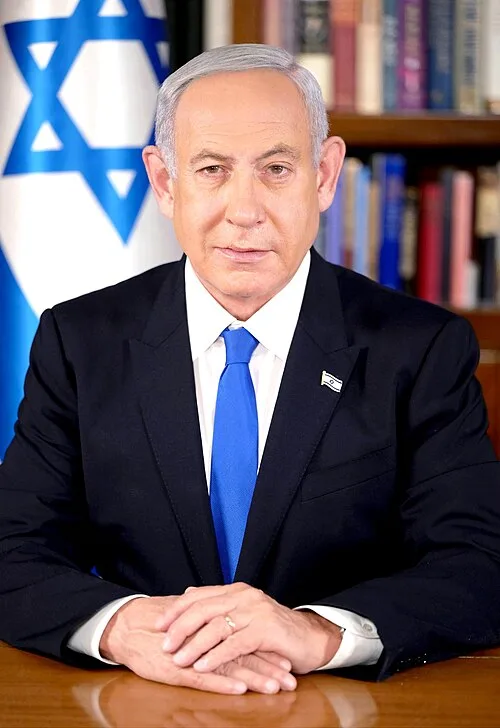
Israelis are voting in the October 27 national election, the first since the October 7, 2023, Hamas-led attacks, with Benjamin Netanyahu seeking to remain in power amid criticism over security failures, his corruption trial and judicial overhaul. Former military chief Gadi Eisenkot leads the opposition challenge, while former prime minister Naftali Bennett and smaller parties could prove pivotal. Polls suggest neither camp is assured the 61 Knesset seats needed to govern, raising the prospect of difficult coalition talks, a minority government or another election. Voters are weighing security, regional conflicts, military conscription, Israel’s international standing, defense costs, relations with Palestinians and the future of the occupied West Bank; some remain undecided and dissatisfied with both Netanyahu and the alternatives. Arab turnout and the ultra-Orthodox vote are seen as pivotal, as a Supreme Court ruling requiring the military to begin drafting Haredi men has strained Netanyahu’s alliance with Haredi parties and fueled protests; northern residents affected by the war with Hezbollah have also called for a change of government. U.S. President Donald Trump endorsed Netanyahu, who has emphasized his security partnership with Washington and a campaign focus on confronting Iran.